How Many Hours Do Wedding Photographers Spend Editing? (And How to Get Them Back)
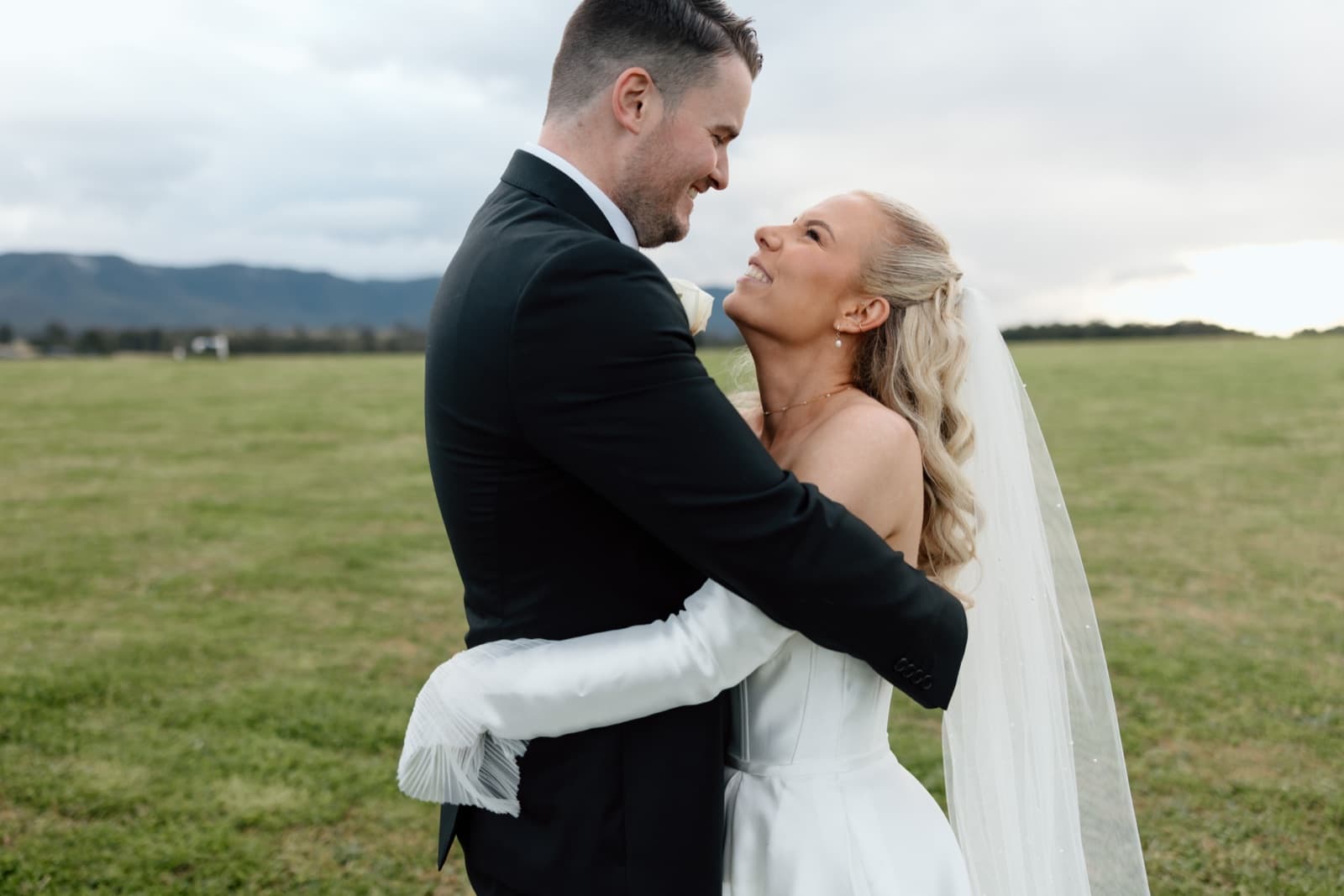
Nobody warns you about this part when you start. You fall in love with the shooting: the light at the end of the aisle, the half second before the first kiss, the grandmother crying in the third row. Then the wedding ends and the other job begins. The one nobody photographs. The one that happens at your desk, alone, weeks later, long after the couple has come back from the honeymoon and gone quiet.
So how long does it actually take? Let's put real numbers on it.
The honest math
A full wedding day produces somewhere between 3,000 and 8,000 frames, depending on how you shoot and whether you had a second shooter. Before you grade a single one, you have to cull: pull the keepers, drop the blinks, the test frames, the dozen near-identical shots of the rings. For most photographers that takes three to six hours. Culling is slow not because there are too many photos, but because every frame is a decision, and decisions are tiring.
Then the colour. Grading a final gallery of 600 to 1,200 images to a consistent, finished look is another four to eight hours, and that assumes your catalog behaves. Add the second pass, the frames that fight you, the mixed-light reception that looks nothing like the ceremony, and you are realistically at eight to fifteen hours of editing per wedding.
Shoot thirty weddings a year and that is over three hundred hours. Most of a working month, every year, spent moving sliders in the dark.
The shooting is the part you were hired for. The editing is the tax you pay for it, in evenings you never get back.
The cost that never makes it onto an invoice
Hours are the obvious number. The hidden one is what those hours cost you. Every night at the desk is a night not spent answering the enquiry that came in on Tuesday, not shooting the engagement session that would have become next year's booking, not at the dinner you promised someone you would make.
There is a quieter cost too: editing tired is editing badly. By image four hundred at eleven at night, your grade drifts. The whites you nailed in the ceremony go warm by the reception, not because your eye changed but because you did. Consistency is the first thing to go when you are exhausted, and consistency is exactly what makes a gallery feel like one person made it.
How to get the hours back
There are only a few real options. Shoot fewer weddings, which caps your income. Get faster, which has a floor, because past a point you are just trading quality for speed. Or take the editing off your own plate without giving up your style.
That last one is the whole reason Selects exists. You send us the wedding. We cull it and colour grade every frame to an editing profile built from your own past work, finished with a human quality-control pass, and send it back inside five business days, ready to deliver under your name. Your couples never know we existed. Here is exactly how that works.
None of this means you have to stop editing. Plenty of photographers love the craft and would never give it up, and they should not. But if the editing has quietly become the reason you dread the months after the season, it helps to know the hours are not a fixed cost. They are a choice. Once you know roughly what they cost, the decision gets a lot easier.
Curious what a wedding costs to hand over instead? It is one flat price per wedding, and if culling is the part that eats your week specifically, here is why it is a different job from grading entirely.