People use "editing" as one word, as if it is a single task. It is not. A wedding gallery goes through two very different jobs on its way from card to client, and the difference matters, because they take different skills, different amounts of time, and different parts of your patience.
Those two jobs are culling and colour grading. Here is what each one actually is, and why your final gallery depends on both.
Culling: choosing what survives
Culling is the selecting. You start with thousands of frames and you decide which ones make the gallery. The closed eyes, the test shots, the eleven near-identical frames of the same moment where only one is sharp: those go. The keepers stay.
It sounds mechanical. It is not. Culling is a string of small judgement calls, hundreds in a row, and it is the part most photographers underestimate. You are not just removing the bad frames. You are deciding the story: which version of the first look, how many of the dance floor, whether the slightly soft frame stays because the moment is worth more than the focus. Done well, the cull is invisible. Done badly, the gallery feels bloated or thin.
Grading is what people notice. Culling is what they feel without being able to name it.
Colour grading: making it look like you
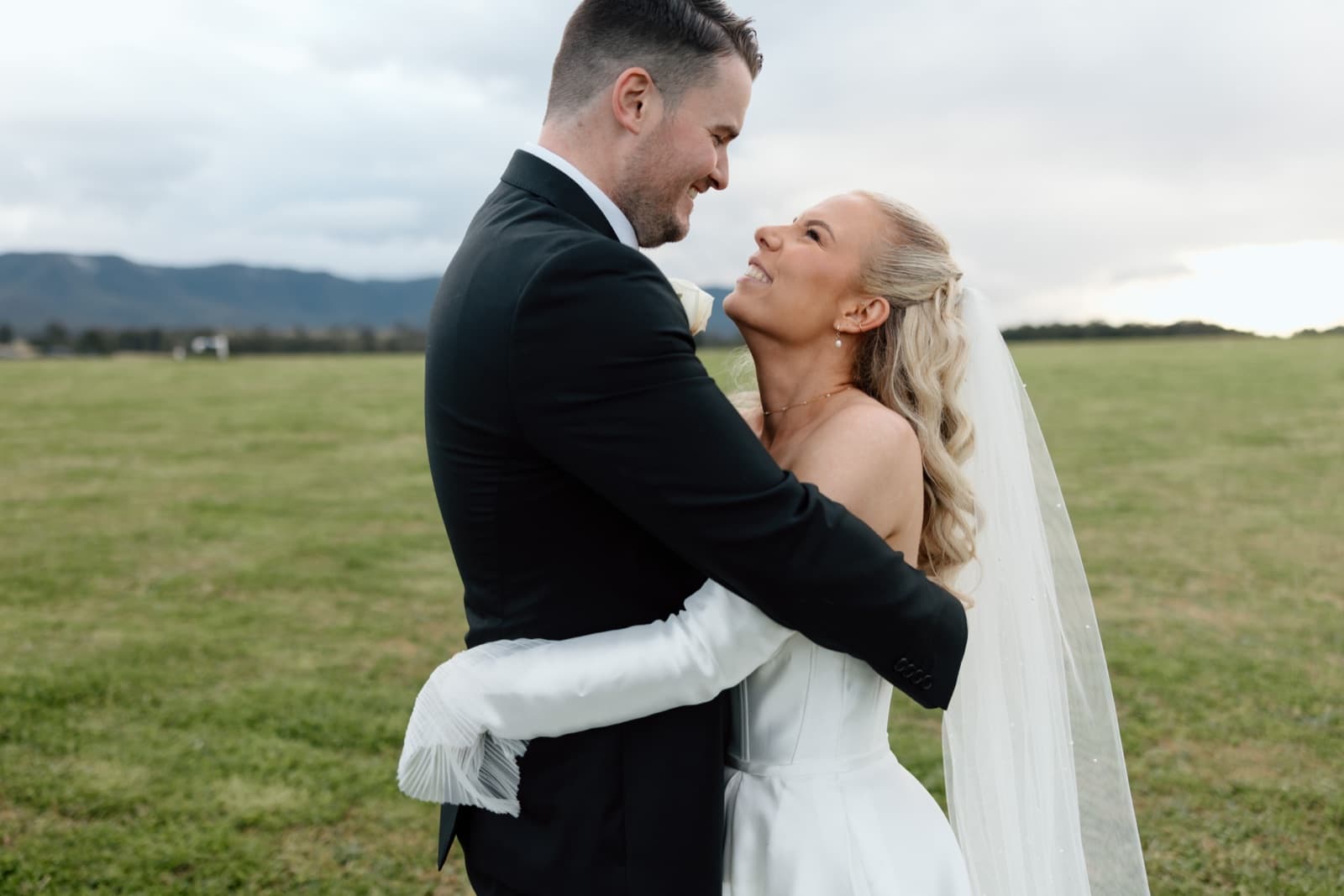
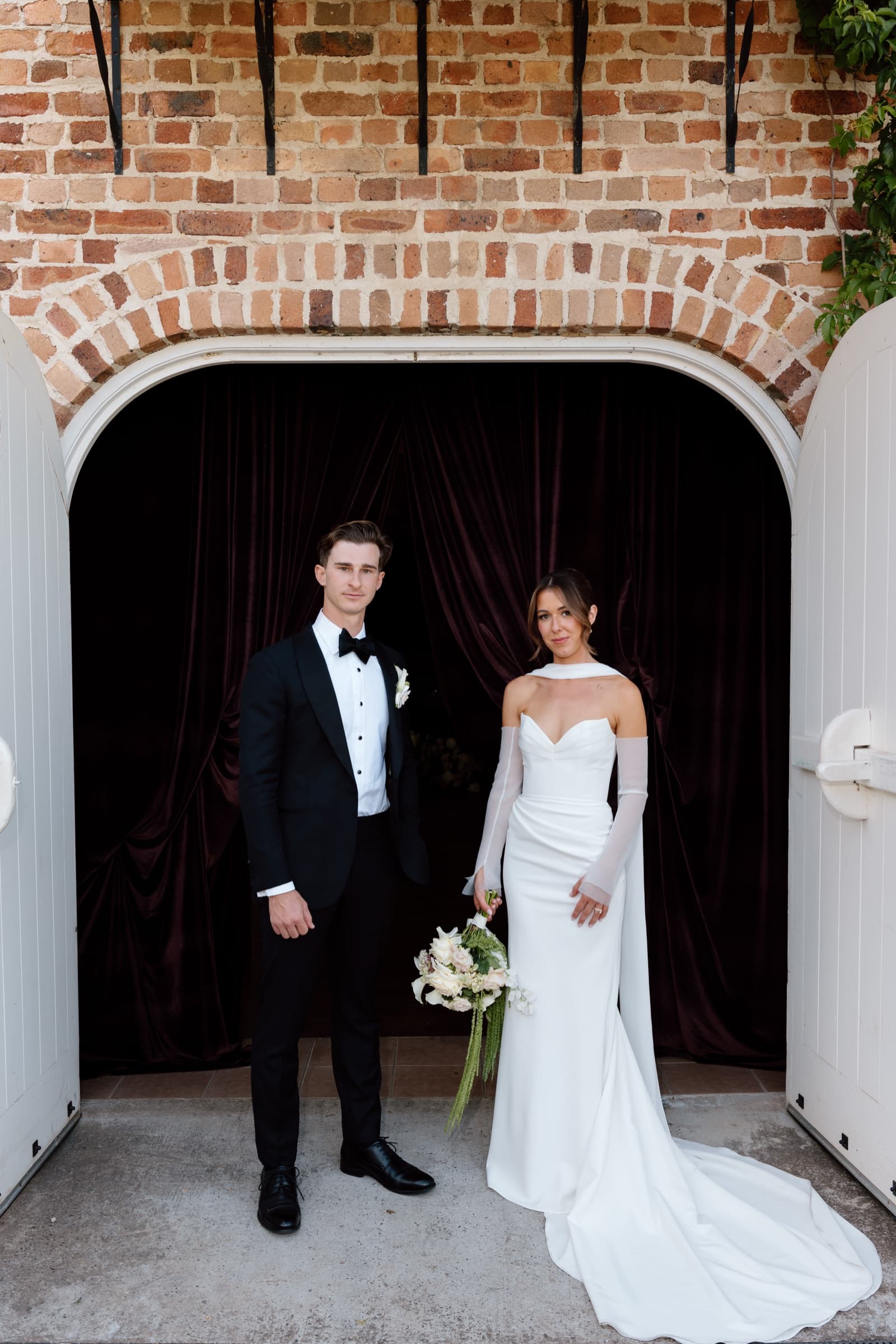
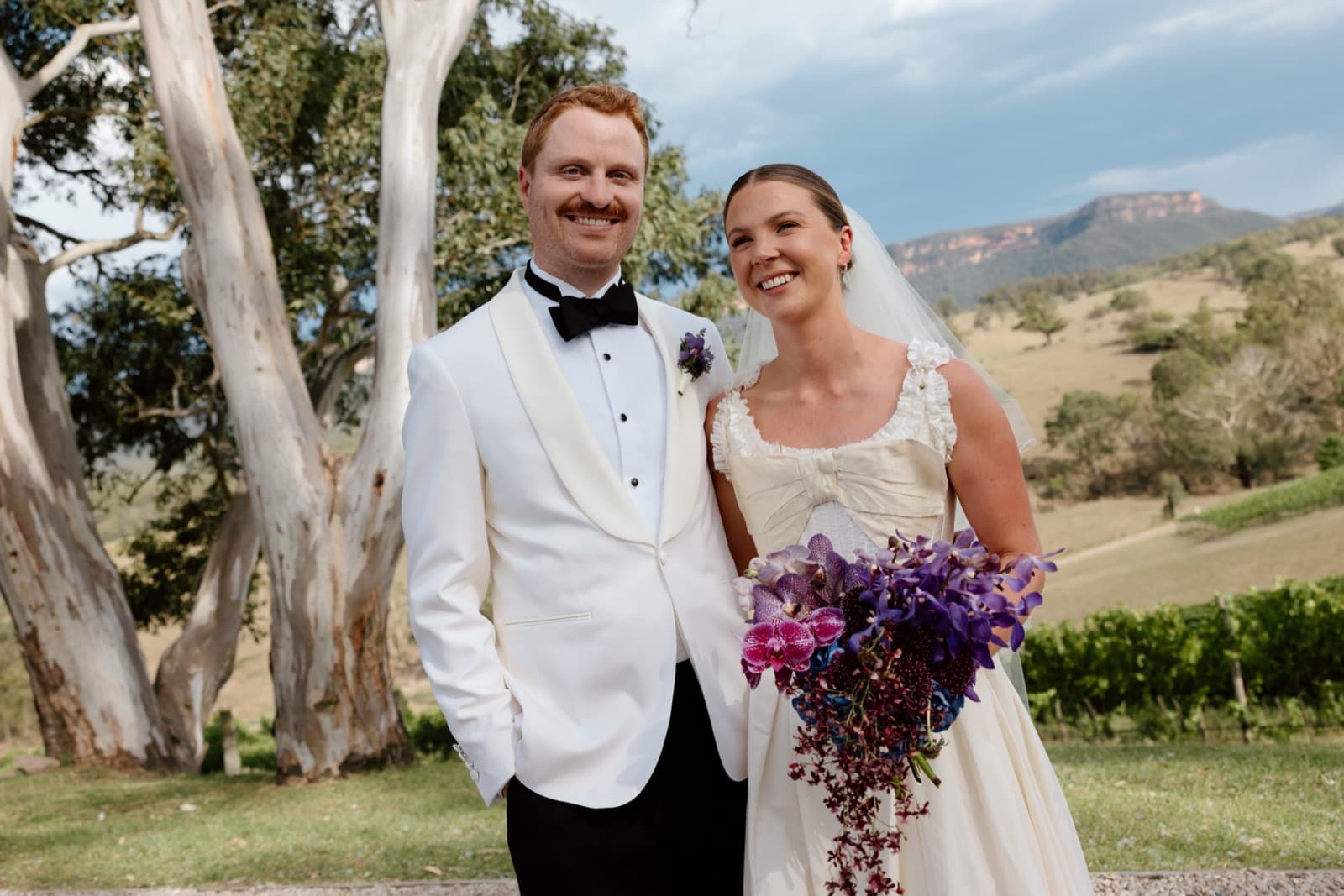
Colour grading is the look. Once the keepers are chosen, grading is where every frame gets your tones, your contrast, your handling of skin and light, applied consistently from the first frame to the last. It is the difference between a folder of correctly-exposed photos and a gallery that unmistakably came from you.
The hard part of grading is not any single image. It is holding the look steady across a whole wedding shot in changing light: bright ceremony, dim reception, mixed-colour uplighting that fights everything else. A consistent grade across all of it is what makes a body of work feel like one hand made it. That consistency is also the first thing to slip when you are grading at midnight, tired, on image four hundred.
Why both have to be right
A beautifully graded gallery that was culled carelessly still feels off: too many repeats, a weak frame left in, a moment missing. A tightly culled gallery with an inconsistent grade looks unfinished, even if every individual photo is fine. The two jobs hold each other up.
It is also why outsourcing the editing is not one decision but two. A service that only colour grades still leaves the cull on your plate, which is often the slower, more draining half. At Selects, both are included in every job: we cull the full take down to your strongest frames, then grade them to an editing profile built from your own work, finished with a human quality-control pass and back to you in five business days. Here is the full process, and both are in the one flat price per wedding.